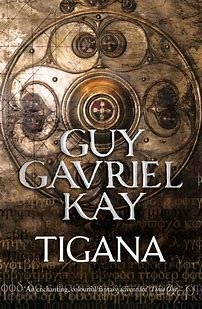
Welcome to a romantic tale of magic and love; an ultimate fairy tale without the fairies; a tale of love without the innocence; a deep look into a memory; a magic so vile as to erase an existence. The set up for this tale is that a powerful wizard literally erased a whole nation off the map. He devastated the countryside. He wiped the very name of Tigana from the minds of all except those who lived there; those who were connected to the land itself. Through magic, Kay is touching on the aspects of memory that run collectively, among a population, among humanity. He is reaching deep into what connects people to each other and to a sense of home through their history and their ties to something deeper than just a plot of soil. He’s asking the questions of what happens to a forgotten people. Does a land, a tradition, a culture, live on if its very name is forgotten.
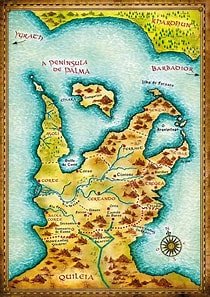
Tigana and its neighbors resemble medieval Italy in many ways. This was when Italy was a bunch of independent city states that warred with each other as often as they did with foreigners. Kay cleverly steals from history what he wants to tell an engaging story centered around a set of fascinating characters. Don’t be fooled though. This is not historical by any means. He’s just using the trappings. The most obvious correlation is the invading Barbadians. They most resemble the invading Normans who conquered the island of Sicily in our own medieval past, and then moved on into Naples and other areas of the south of Italy. Kay even provides us with a pronunciation guide at the beginning of the book to help us keep that authentic Italian or Latin feel as we read.
For me, reading this book was like settling into a warm cozy blanket with a cup of hot cocoa. The setting felt familiar, the characters were charismatic, and the story was a romantic, fun tale of a time when people fought for their homeland and what was righteous. This isn’t to say it was all fun and games and that our characters had no obstacles. On the contrary, there is much to be said about how unsure I was of just who was going to survive this rebellion. Kay evokes some wonderful moments of uncertainty and introduces us to characters in a way that makes us aware of their importance, just not how they are important. That is key to keeping an air of mystery about them and wanting to find out more.
Kay is really playing on aspects of courtly romance with this story. He introduces the concept of a traveling musical group based on the troubadour of medieval times. This concept is used to great effect for plot intricacies and thematic exploration. He likes to explore how music brings people together and is tied into the weaving of fate. Because this is a fantasy, the romanticism of the traveling troupe is, by rote, enhanced and exaggerated. Kay doesn’t shy away from this romantic idea and uses it to full effect to sweep up the reader into the wonder of chivalry and nobility as it is aspired to be. One of the characters uses a powerful thought to evoke the magic of love and nobility even through the auspices of villainy and tyranny, “Words were power, words tried to change you, to shape bridges of longing that no one could ever really cross.” Words play such a crucial role in memory, history, and culture because they try to convey what our other senses cannot. Remembrance is a powerful tool for both good and evil. Depending on the use of said tool, do we fall into the trap of nostalgia and/or rigid tradition, or do we hold onto what is dear to each generation as they leave their marks of learning upon the next.
Although the writing in this book wasn’t perfect, there were some minor flaws that bugged me here and there, the prose was idyllic and flowed well. I very much enjoyed my first journey into the Kay library and am looking forward to more.